What is glaucoma?
- Part of the eye
- Optic nerve
- Group
- Specialist care
- Vision functions involved
- Visual field
- Main source
- NHS
Glaucoma is a group of conditions in which the optic nerve is damaged. The damage usually builds up slowly, with no early warning signs. Eye pressure is an important part of the assessment but not the whole picture.
Optic nerve
Carries signals from the retina to the brain.
Visual field
The whole area you can see, including the sides.
How glaucoma can affect day-to-day life
You may recognise some of these situations, or none of them. The point is to find help with the things you want to do.
When sight seems unchanged
You may read, work and get around as usual even when glaucoma is present.
Keep monitoring appointments. Being able to read small text does not show whether the nerve at the back of your eye is healthy.
Reading everyday information
If sight is affected, labels, menus or letters may become harder to use.
Ask a low-vision service about suitable magnification and lighting, using examples of the print you need to read.
Managing the daily routine
Prescribed drops and clinic visits can add work to an otherwise ordinary day.
If handling the bottle is difficult, ask your clinic or pharmacist to check your technique and whether a drop aid would help.
Changes you may notice
- Gradual loss of side vision, often unnoticed at first.
- A sudden painful red eye with blurred vision, headache or nausea can be an emergency.
Everyone is different. Symptoms on their own cannot identify a condition.
What to do about a new or sudden changeAssessment and care
Eye pressure checks, examination of the nerve, scans and visual field tests guide care. Treatment can include prescribed drops, laser or surgery to limit further damage. Treatment cannot usually restore sight already lost.
How vision is affected
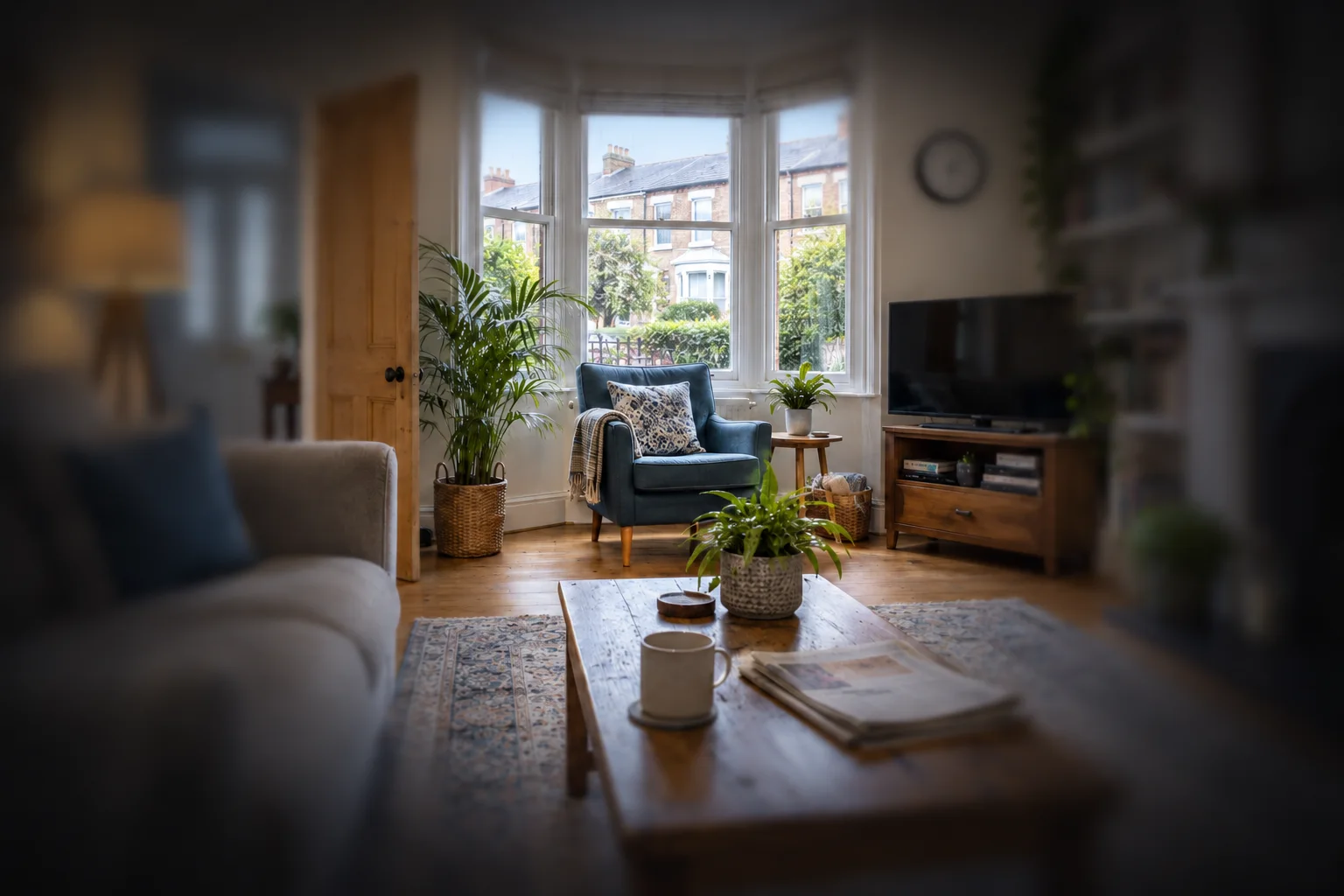
Illustration hidden. The object you look at stays visible while the doorway and the room edges are harder to use. This is a teaching picture for side-vision changes, not how every person with RP sees.
These topics explain the parts of vision involved. They do not predict your sight, diagnose anything or show the condition itself.
Visual field
Finding a face and noticing the edge of a step make different demands on sight. One uses the centre of your view. The other uses the edges.
Open the visual field labEveryday support
Keep your follow-up appointments even when your sight feels the same. Ask someone to check your drop technique, and tell your clinic if you cannot manage the bottle or you get side effects.
A question to take to your appointment
What is my treatment target, and who do I contact if I struggle with my drops?Prepare your appointment checklist
Sources and review status
Sources checked 4 October 2026. Educational draft, not yet clinically reviewed. No clinician has endorsed this page. Follow the advice of your own eye-care team.
How this content is prepared