Optometrist
Tests your sight, checks the health of your eyes, prescribes glasses and contact lenses, and refers you to hospital when needed. In the UK, most routine eye care starts here. Many practices also run urgent minor-eye-condition services.
Eye care in the UK involves several professions. Knowing who does what helps you get to the right person first time.
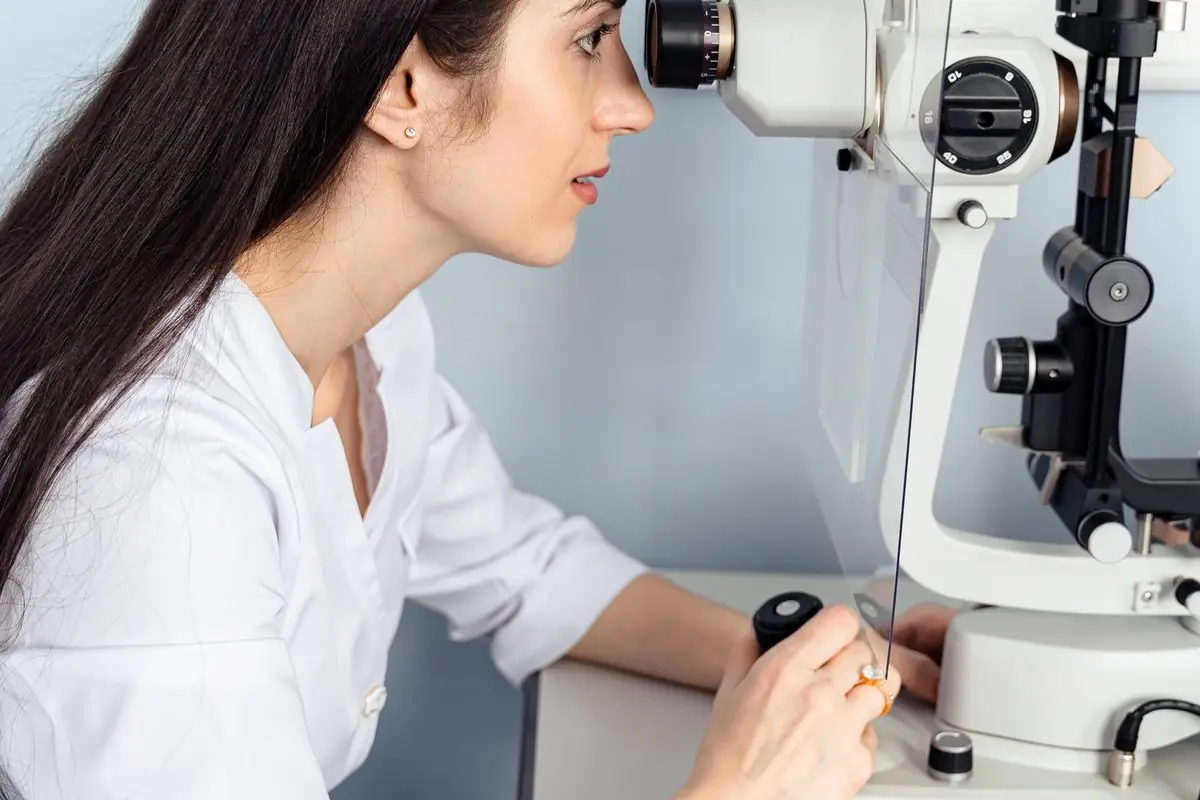
Tests your sight, checks the health of your eyes, prescribes glasses and contact lenses, and refers you to hospital when needed. In the UK, most routine eye care starts here. Many practices also run urgent minor-eye-condition services.
Fits and supplies glasses and some contact lenses from a prescription. Not all dispensing opticians test sight.
A hospital doctor who diagnoses and treats eye disease, including surgery, injections and laser treatment.
Assesses eye movements, alignment and how the two eyes work together. Orthoptists manage squints, lazy eye and double vision.
Based in many hospital eye clinics. Offers practical and emotional support after a diagnosis and links you to local services. You can ask to speak to one without a referral.
An optometrist or clinician who assesses the tasks you find hard and tries magnifiers, lighting and other aids with you.
Works for a council or a sight-loss charity. Helps with mobility, daily living skills and confidence at home and outside.
Your general practitioner can refer you and treats some eye problems, but for most eye symptoms an optometrist is quicker to see.
Advises on dry eyes, blepharitis, lubricating drops and lid care, and tells you when to see someone else.
The urgent advice line in England, Scotland and Wales for sight changes you cannot wait to have checked. Northern Ireland uses its own out-of-hours services.