Cataract surgery on the NHS
When surgery is offered, what the operation involves, recovery, and the questions to ask before you agree.
When surgery is offered
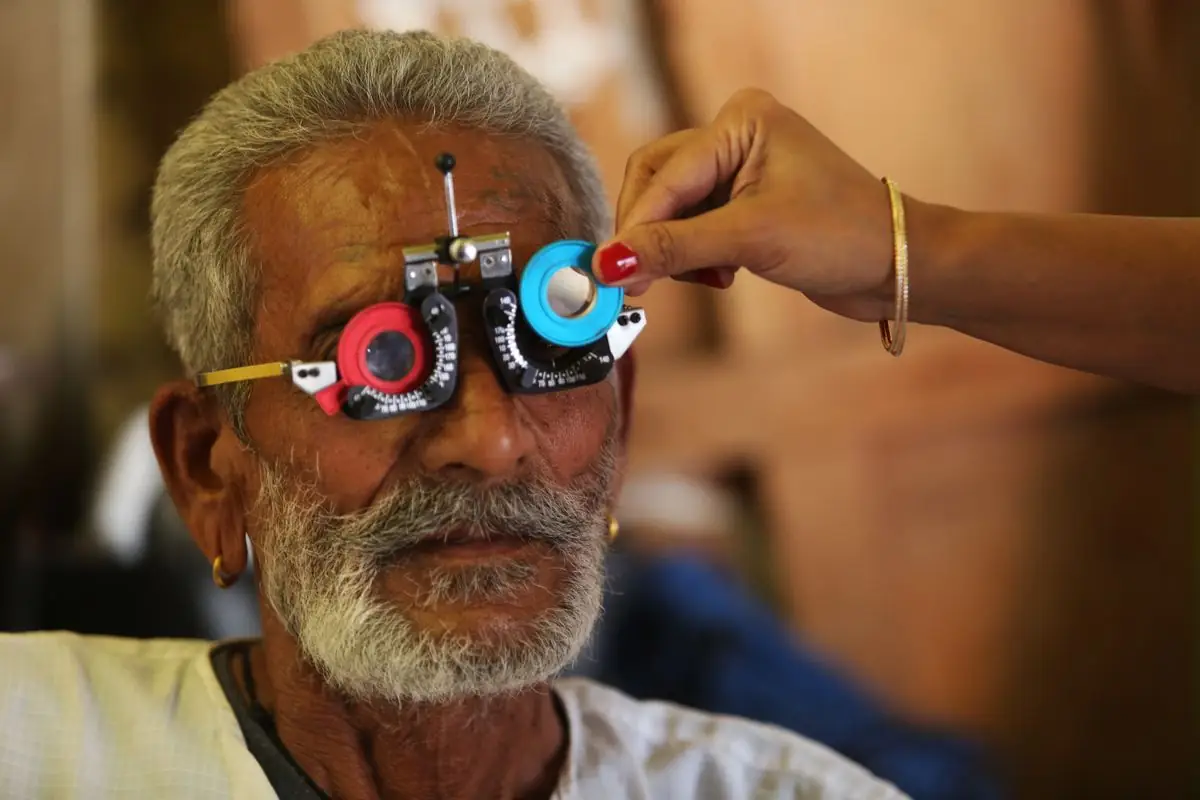
The NHS offers cataract surgery when the cataract affects your daily life, for example reading, driving, recognising faces or coping with glare. There is no rule about how bad the cataract has to be first. If your optometrist thinks surgery would help, they refer you to a hospital eye service, where the team confirms the diagnosis and measures your eye for the new lens.
The operation
Surgery usually takes 30 to 45 minutes and is done under local anaesthetic, so you are awake but your eye is numb. The surgeon makes a tiny cut, breaks up the cloudy lens with ultrasound, removes the pieces and puts a clear artificial lens in its place. Most people go home the same day. If both eyes need surgery, the second operation is usually a few weeks after the first.
Recovery
Sight is often blurry for a day or two and settles over a few weeks. You use drops for about four weeks to prevent infection and inflammation. For the first week or so: do not rub the eye, avoid swimming, keep soap and shampoo out of the eye, and wear the plastic shield at night if you are given one. Most people can read and watch television within a day or two. Ask the team when you can drive, which depends on your sight in the operated eye and the legal standard.
Glasses afterwards
The new lens is usually set for distance, so most people still need reading glasses. Wait until the eye has settled, usually about six weeks, before having a new prescription.
Risks
Cataract surgery is one of the most common operations in the UK and most people have no problems. Serious complications are rare. Some people get a cloudy membrane behind the new lens months or years later, which is treated with a quick laser procedure in clinic. Severe pain, sudden loss of sight or increasing redness after surgery needs urgent advice.
Questions to ask
- How much better is my sight likely to be, and do other eye conditions limit the result?
- Which type of lens will I have, and will I need glasses afterwards?
- Who do I call if something goes wrong after I go home?
- When can I drive, work and exercise again?
Sources
- NHS: cataract surgery
- NHS: recovering from cataract surgery
- Oxford Eye Hospital: cataract surgery booklet (PDF)
Checked 4 October 2026. Official pages change, so follow the NHS page for the current position.
Educational information, not medical advice. Not yet clinically reviewed. Your own eye-care team's advice comes first.