Diabetic eye screening explained
Who is invited, what happens at the appointment, what the result letters mean and why you should still have ordinary sight tests.
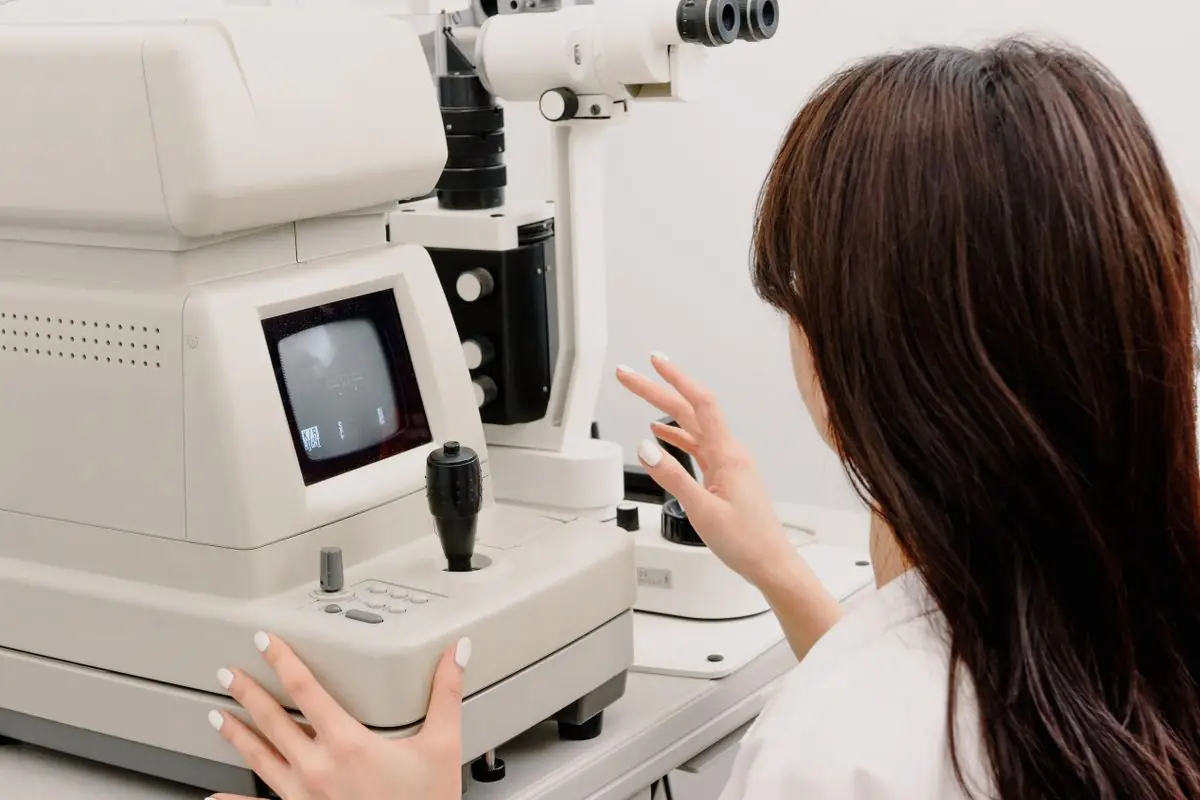
Why screening is separate from a sight test
Diabetes can damage the small blood vessels at the back of the eye. The damage, called diabetic retinopathy, often causes no symptoms until sight is already affected. Screening photographs the retina so changes are found early, when treatment works best. A screening appointment is not a sight test, so you still need routine sight tests as well.
Who is invited
Everyone aged 12 or over with diabetes is invited. In England the NHS Diabetic Eye Screening Programme writes to you. You are invited every year, or every two years if your last two results were clear and you are at low risk. Tell your GP practice if you have moved, so the invitation reaches you. Scotland, Wales and Northern Ireland run their own programmes with the same aim.
What happens at the appointment
The appointment takes about 30 minutes. The screener checks your sight, then puts in drops to widen your pupils. After about 15 to 20 minutes they photograph the back of each eye. The flash is bright but the test does not hurt. The drops blur your sight and make bright light uncomfortable for up to six hours, so do not drive to the appointment, and take sunglasses.
Your result
A letter arrives within six weeks. The letter tells you one of the following:
- No retinopathy. You are invited again in one or two years.
- Background retinopathy. Early changes which do not need treatment. You are screened again in a year, and good control of blood glucose and blood pressure matters.
- Referable retinopathy or maculopathy. You are referred to a hospital eye clinic for closer monitoring or treatment. Treatment can include injections into the eye, laser or, less often, surgery.
- Ungradable images. The photographs were not clear enough, often because of cataract. You are offered a different type of check.
If you are pregnant
Pregnancy can speed up changes at the back of the eye. If you have type 1 or type 2 diabetes and are pregnant, you are offered extra screening during the pregnancy. Tell your diabetes team as soon as you know.
Between appointments
Do not wait for your next invitation if your sight changes. Sudden blur, new floaters, a shadow or any loss of sight needs urgent advice the same day.
Urgent eye problems Diabetic retinopathy guide
Sources
- NHS: diabetic eye screening
- NHS: diabetic retinopathy
- GOV.UK: diabetic eye screening programme overview
Checked 4 October 2026. Official pages change, so follow the NHS page for the current position.
Educational information, not medical advice. Not yet clinically reviewed. Your own eye-care team's advice comes first.